
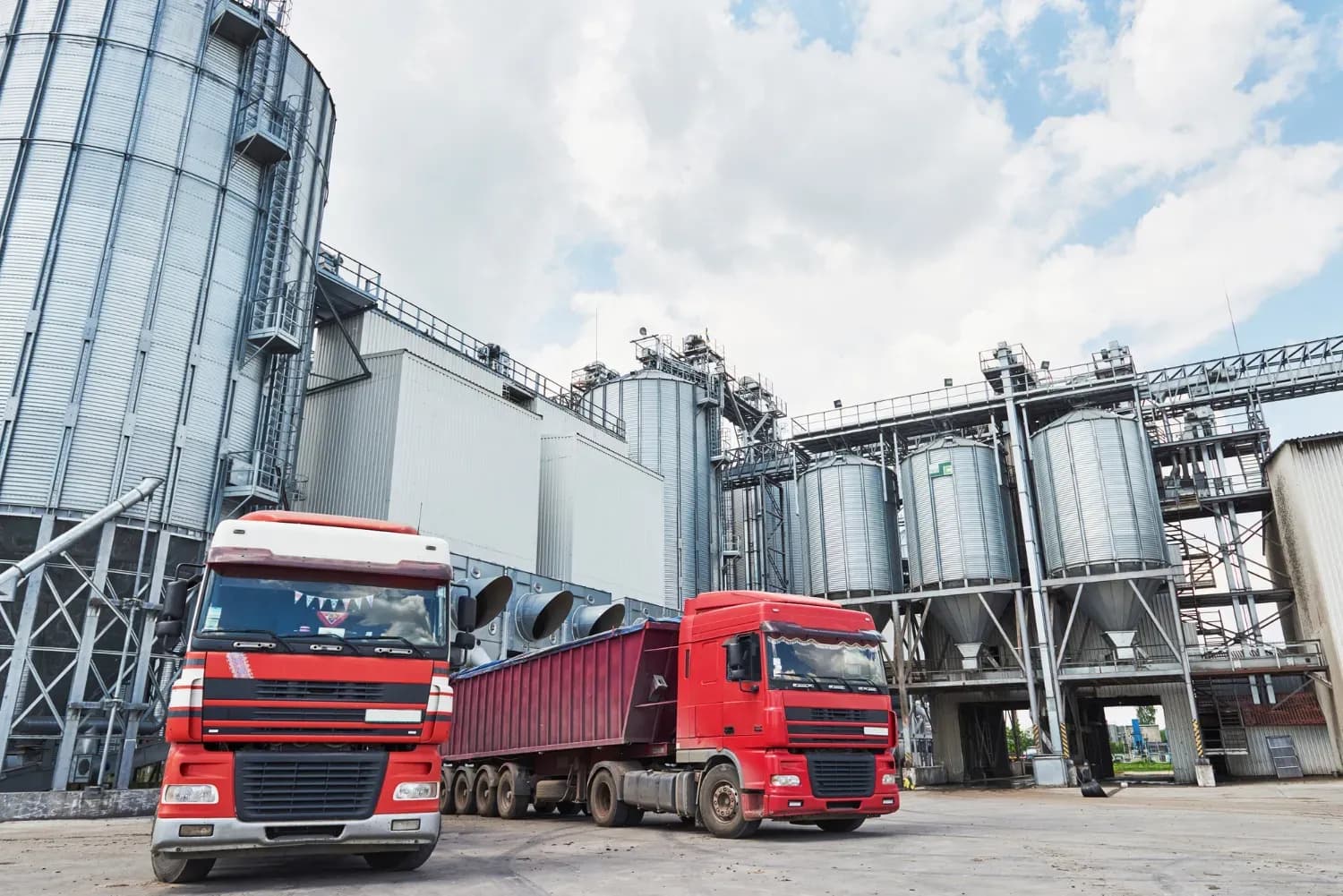
Oversize Transport: Planning and Execution
Not every transport can be carried out within standard road traffic regulations. In the industrial, construction, and energy sectors, loads regularly appear that exceed permissible vehicle dimensions or weight. In such situations, oversize transport comes into play – requiring a completely different approach to planning and execution. It's not just a matter of a larger vehicle. Every journey must be prepared taking into account infrastructure, regulations, and road safety.
Who organizes such transports?
These types of transports require experience and knowledge of procedures that vary depending on the country, region, and characteristics of the load. Simply having the right equipment is not enough – the ability to plan the entire process from a technical and formal perspective is crucial. BFI organizes oversize transports, covering both the planning stage and the coordination of the journey at every step.
More information on how such orders are executed can be found here:
The scope of activities includes not only the transport itself but also documentation preparation, obtaining permits, and adapting the route to the load's parameters. This helps to reduce the risk of delays and avoid situations where transport is halted due to formal or technical reasons.
When is transport considered oversize?
Oversize transport refers to situations where the vehicle + load combination exceeds the standards set in road traffic regulations. This may concern width, length, height, or total weight, and in many cases, several of these parameters simultaneously. Each exceeding means the necessity of applying additional procedures and obtaining appropriate transit permits.
This category includes, among others, construction machinery, steel structure elements, turbines, tanks, or parts of industrial installations. Such loads often have irregular shapes and require individual securing, which further complicates the entire transport process.
How is such transport prepared?
The most important part of the entire process takes place even before the vehicle departs. This is when the route is analyzed, infrastructure is checked, and all required documents are compiled. The quality of preparation determines the subsequent course of transport and its compliance with the plan.
Preparation includes, among others:
- checking the height of overpasses and the load-bearing capacity of bridges,
- analysis of roundabouts, intersections, and access roads,
- obtaining transit permits,
- organizing piloting, if required,
- matching equipment to load parameters.
Each of these elements directly affects the safety and fluidity of the journey. Omitting one of them may mean the necessity to stop the transport or change the entire route.
Crossing different countries – what changes?
In international transport, additional challenges arise due to differences in road traffic regulations and organization. Each country has its own regulations regarding abnormal loads, different formal requirements, and distinct rules regarding piloting or transit hours.
This means that the route must be planned not only from a technical but also an administrative perspective. In many cases, it is necessary to obtain several permits and adjust the schedule to local restrictions, which significantly impacts the transport's execution time.
Why is there no room for improvisation here?
Oversize transport requires precision at every stage of execution. Even a minor mismatch – for example, an incorrectly estimated height of the convoy or failure to consider route restrictions – can stop the journey and force costly changes.
Therefore, the preparation and experience of the team responsible for organizing the transport are of utmost importance. It is at this stage that decisions are made that affect the safety, punctuality, and final cost of the entire operation.