Table of Contents
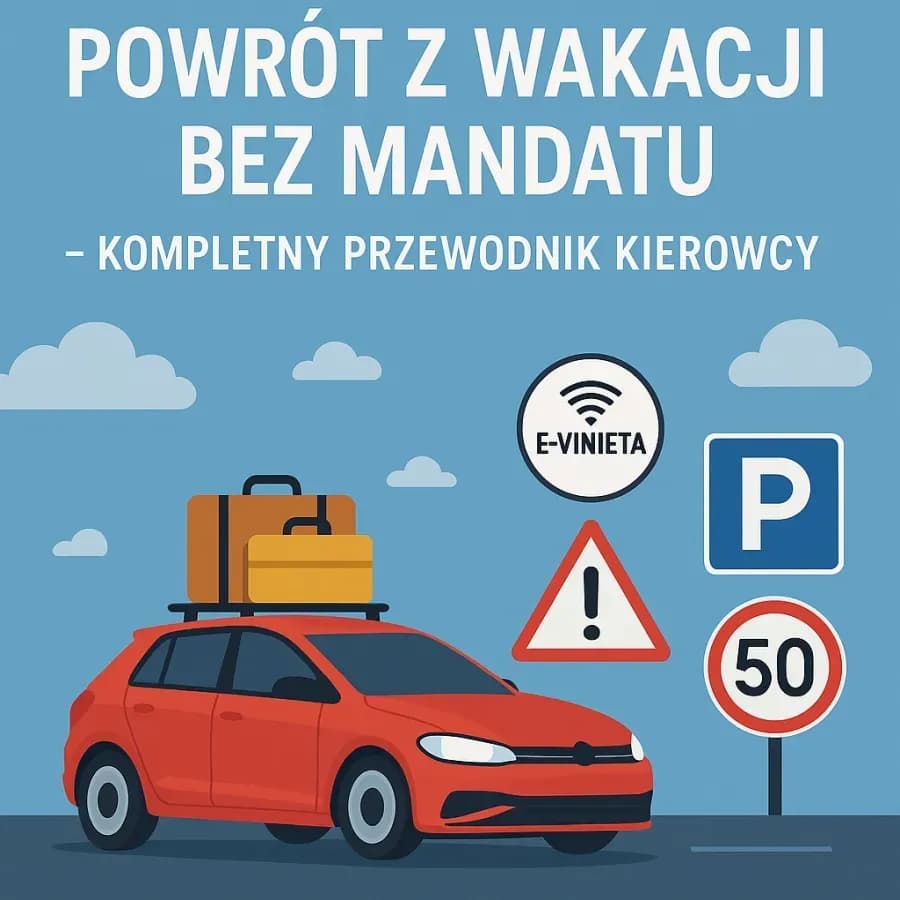
A holiday trip usually ends when... we enter the first toll section without an active vignette or remember about the paid parking zone only when a summons for payment lands under the windshield wiper. Good news? Most such traps can be easily avoided. Below you will find a complete guide that will help you return home without stress and – most importantly – without fines.
Do you already have an active e-vignette for your return?
If you are driving through countries with a vignette system, make sure your vignette is valid exactly on the day and time of your return.
1. E-vignettes and toll sections – check before you enter
In many European countries, using motorways or selected express roads requires a vignette. Increasingly, this is an electronic vignette assigned to the registration number. Control is carried out by cameras or portable scanners, and the lack of a valid fee can result in a severe administrative or penal fine.
How to avoid e-vignette errors?
- Validity period: make sure the vignette covers the time and country of your return journey (including night and any next day).
- Registration number: check for typos and correct characters (e.g., “O” vs “0”).
- Vehicle class: some countries differentiate fees (e.g., motorcycles, vehicles with trailers, campers). Choose the correct category.
- Free sections: in some countries, certain parts of ring roads may be exempt from fees. However, don't assume this applies to your route – check before entering.
- Proof of purchase at hand: keep the confirmation on your phone and offline. In case of inspection, it's easier to clarify doubts.
Where to buy and how fast does it work?
You can conveniently buy an e-vignette online. After payment, you will receive confirmation via email. In many systems, validity begins from the declared date and time – always verify this in the order confirmation. If you want to take care of everything now, use our offer:
“The most expensive vignette is the one you don't have – and which you “pay for” with a fine at the border or just after entering the country.”
2. Parking and zones – avoid „additional fees”
Road fatigue, a quick stop along the way, lunch in the old town of a transit city – these are the most common moments when a “souvenir” in the form of an additional fee is incurred. In many European cities, zones also operate on weekends and evenings.
How to park wisely?
- Check the zone and price list – signs are sometimes only in the local language, but pictograms and hours are usually legible.
- Parking apps – allow you to pay for parking without looking for a parking meter and extend it remotely.
- Parking disc – in some zones, you need to set the arrival time on a special disc.
- “Park&ride” car parks – good for longer sightseeing; often require a public transport ticket as confirmation.
3. Mandatory car equipment
Although regulations vary between countries, it is worth having a kit that in practice secures most requirements and – more importantly – ensures safety.
Minimum “no fine” kit
- Warning triangle, reflective vest (preferably for each passenger).
- Working fire extinguisher with current inspection (mandatory in cars in Poland).
- First aid kit with gloves and rescue blanket (not mandatory everywhere, but sensible).
- Spare bulbs / fuses (if the vehicle design allows for easy replacement).
- Spare wheel or repair kit + compressor.
- Tow rope / strap, work gloves.
What else is worth adding?
- Flashlight, power bank, tissues / paper towels.
- Windshield washer fluid and window cloth.
- Vests and reflectors for children.
- Trash bags (for quick tidying before returning a rental car).
4. Documents and insurance
Border or road control may ask for vehicle and driver documents. Make sure you have them all before setting off on your return journey, so you don't waste time searching.
What to carry with you?
- Driving license and identity document.
- Registration document (or electronic equivalent, if accepted) and third-party liability insurance policy.
- E-vignette confirmation (e-mail/PDF) + account login details.
- Authorization to use the vehicle, if the car is not yours.
- European Health Insurance Card (EHIC) and emergency assistance numbers.
- In some destinations – the so-called “green card” for third-party liability.
5. Speed and alcohol limits
Returning home is often the “final stretch”. That's when the biggest slips on limits happen. Remember that average speed cameras and speed cameras operate around the clock. Pay attention to restrictions in tunnels and on bridges – they are often lower.
- Set cruise control with a slight margin – fatigue and car load extend braking distance.
- Alcohol and “the day after”: regulations and tolerances vary between countries. Safe rule: if you've been drinking – don't drive.
- Phone in hand: punishable by high fines in many countries. Use a hands-free kit.
6. Fines from abroad – what to do?
If you still receive correspondence about a violation, read the letter carefully. Most often, you will find in it the payment deadline, the method of appeal, and contact details of the responsible unit. Payment on time may be lower; ignoring the matter, in turn, can generate additional administrative costs.
Most common situations:
- Lack of valid vignette / error in registration number.
- Speeding (including from average speed cameras) or running a red light.
- Unpaid parking / exceeded parking time.
7. Motorcycle, camper, trailer – what to remember?
A different vehicle category often means different rules for fees and equipment.
- Motorcycles: a cheaper vignette is valid in many countries; remember reflectors and a first aid kit.
- Campers: entry to city centers may be restricted (ecological zones). Check service and grey water disposal points along the way.
- Trailers: verify requirements for lighting, plates, and additional fees; not everywhere does the towing vehicle's vignette cover the set.
Not sure about the category?
Check the destination country page on our website – you'll find current rules and vignette types there.
Checklist to tick off before departure
Tick the items and be sure you return prepared.
FAQ – quick answers
Do I need to print the e-vignette?
No – it's a fee assigned to the registration number. However, keep the confirmation on your phone.
What if I make a mistake in the registration number?
Contact support as soon as possible. In many cases, help can be provided, especially if the validity has not yet started.
How to check if my e-vignette works?
Go to the customer panel or check the confirmation email. If you have any doubts, write to us via the contact form.
Ready for the road? Get your e-vignette for the return trip
Online purchase will take a moment, and peace and comfort at the border are priceless. Choose a country and variant, and we will guide you step by step.